
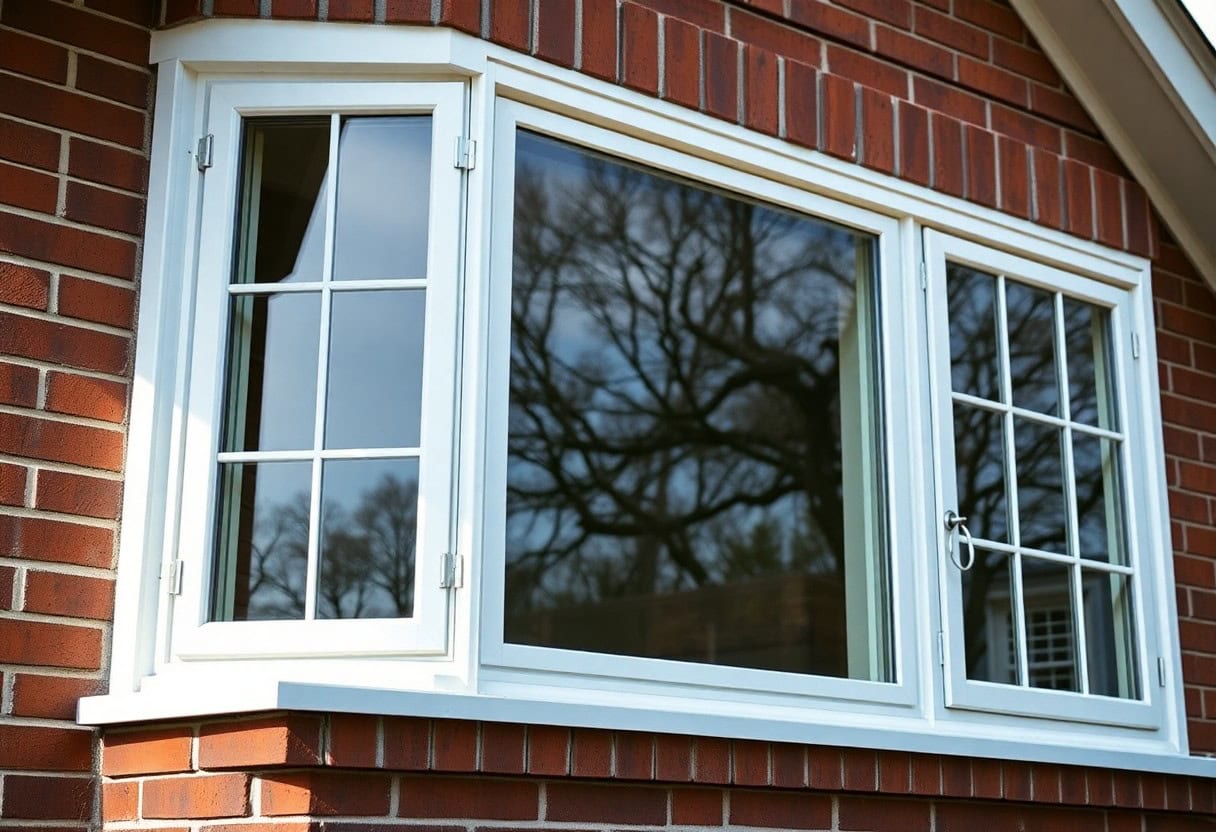
Windows impact your home’s comfort, energy bills, and curb appeal, so when selecting replacements in Omaha you should evaluate local climate resistance, insulation (U-factor), frame materials, and warranty coverage; this guide helps you compare vinyl, fiberglass, and wood options, understand energy-efficient certifications like ENERGY STAR, and choose installers who protect your investment and match regional needs.
Key Takeaways:
- Prioritize energy efficiency for Omaha’s cold winters and humid summers: choose double- or triple-pane windows with low-E coatings and argon/krypton fills to lower heating and cooling costs.
- Pick durable, low‑maintenance materials: vinyl and fiberglass offer strong insulation and longevity; wood-clad provides aesthetics but higher upkeep and cost.
- Professional installation, proper flashing, and strong warranties matter: hire local installers familiar with Omaha codes and check for utility rebates or federal tax incentives to improve ROI.
Importance of Choosing the Right Windows
Energy Efficiency
When you’re selecting replacement windows for Omaha’s hot summers and cold winters, prioritize whole-unit performance: aim for a U-factor of 0.30 or lower and an SHGC between 0.25-0.45 depending on the orientation and solar gain you want. Choose low-E coatings plus argon or krypton fills-argon typically improves insulating performance by roughly 10-20%, while krypton performs better in the narrower gaps used by triple-pane units.
Swapping single-pane or degraded double-pane windows for ENERGY STAR-rated double- or triple-pane models can cut your heating and cooling costs by about 10-25%; for example, if your seasonal HVAC spend is $1,200, expect annual savings of roughly $120-$300 depending on the windows and installation quality. Proper installation that addresses thermal breaks and air sealing will reduce drafts and shorten payback time, commonly to the 7-12 year range for many Omaha homes.
Aesthetic Appeal
Your window choice defines curb appeal and interior character: wood-clad or painted wood sashes suit historic Dundee and Benson homes, while fiberglass or aluminum-clad units pair well with contemporary Midtown and Millwork Commons properties. Match grille patterns, sash proportions, and exterior colors to neighboring houses-authentic divided lites or simulated divided lites preserve period charm without sacrificing modern performance.
Beyond style, you can manipulate light and sightlines to transform rooms: opt for slimmer frames and larger fixed panes to maximize daylight and views, or choose operable casements when you want unobstructed ventilation. Keep in mind fixed picture windows deliver the best thermal performance, whereas operable styles compromise a bit on efficiency in exchange for function and egress.
Also weigh maintenance and resale impact: wood commands a premium in historic districts but needs periodic painting or staining, while vinyl and fiberglass retain finish and require less upkeep; when the aesthetic matches the neighborhood and installation is professional, homeowners typically recoup roughly 65-75% of replacement window costs at resale.
Factors to Consider When Selecting Replacement Windows
Focus on measurable performance metrics first: U‑factor, SHGC, and air leakage. For Omaha’s mixed humid-hot summers and subfreezing winters, target a U‑factor of 0.30 or lower for double‑pane units and around 0.15-0.25 for triple‑pane; choose low‑E coatings and argon or krypton fills to cut conductive losses by roughly 10-25% compared with clear air fills. Also weigh installation quality-improper flashing or gaps can add 0.1-0.2 to your effective U‑factor and void many manufacturer warranties.
- Energy performance: NFRC ratings (U‑factor, SHGC, VT)
- Frame material: durability, maintenance, thermal break
- Glazing options: double vs. triple pane, gas fill, low‑E type
- Installation quality: flashing, air barrier continuity, caulking
- Orientation and shading: south vs. north exposures and SHGC targets
- Warranty and expected service life: 20+ years for premium systems
This checklist helps you compare apples to apples when getting quotes and evaluating long‑term value.
Climate Adaptability
For Omaha you should prioritize windows that balance insulating performance for winter heating with solar control for summer cooling. South‑facing units often benefit from a moderate SHGC (0.25-0.40) to capture passive solar gain in winter but avoid overheating in July; north facades do better with low SHGC and higher visible transmittance (VT) to maximize daylight without heat gain. If you face heavy wind or storm exposure, look for products tested to AAMA/WDMA/CSA standards and rated for local wind loads-many local suppliers list specific pressure ratings that match Nebraska building codes.
Condensation resistance and air leakage matter because freeze-thaw cycles drive moisture problems; seek windows with air leakage ≤0.3 cfm/ft² and a condensation resistance (CR) rating above 50 for better interior comfort and fewer maintenance headaches. In many Omaha remodel projects, homeowners choosing double‑pane low‑E with argon report measurable reductions in draft and cold spots within weeks of installation, translating to more even room temperatures and lower thermostat runtimes.
Material Choices
You’ll choose among vinyl, wood (or wood‑clad), fiberglass, and aluminum based on budget, maintenance tolerance, and thermal behavior. Vinyl windows commonly cost $300-$700 each installed and provide good thermal performance with low maintenance; wood offers premium aesthetics but typically runs $600-$1,200 per window and requires periodic repainting or staining. Fiberglass sits between those in price ($500-$1,200), resists extreme thermal movement, and often carries 20-30 year warranties; aluminum is durable and slim but needs a thermal break to meet energy targets.
Pay attention to long‑term dimensional stability-fiberglass frames have thermal expansion coefficients close to glass, reducing seal stress and lowering the chance of seal failure in Omaha’s temperature swings. If you want a low‑maintenance option that still allows paint changes, fiberglass or wood‑clad frames are strong choices; for tight budgets, high‑quality fusion‑welded vinyl with reinforced sashes can deliver good performance and a 15-20 year service life.
Top Brands for Replacement Windows in Omaha
To narrow your choices, focus on manufacturers that pair proven thermal performance with local dealer support and NFRC-rated products. You’ll want brands that offer low-E coatings, multiple gas-fill options (argon or krypton), and durable glazing seals-those elements move U-factors from the 0.50 range for older windows down toward 0.25-0.30 for modern double-pane units, which matters in Omaha’s hot summers and cold winters. Warranties and available factory finishes also matter: many reputable brands provide limited lifetime glazing seals and transferable frame warranties for a set number of years.
Vinyl Windows
You’ll find vinyl from manufacturers such as Simonton, Milgard, Ply Gem and certain lines from Pella to be the most cost-effective for mid-range replacements; typical installed prices run roughly $300-$800 per window depending on size and grid options. Vinyl frames often use multi-chamber designs and warm-edge spacers that, when combined with Low-E coatings and argon fill, commonly achieve U-factors in the 0.27-0.35 range-enough to qualify many units for ENERGY STAR in colder climates when properly configured.
Because vinyl resists rot and needs little maintenance, it’s a practical pick for many Omaha homeowners, especially on practical rooms like basements and bedrooms. You should check NFRC labels for exact U-factor and SHGC values, and prioritize products with thicker extrusions and reinforced sashes if you need larger operable windows or expect high wind loads.
Wood and Fiberglass Options
If you prefer a premium look, wood-clad units from Marvin and Andersen or fiberglass products like Marvin’s Ultrex and Pella’s Impervia offer superior rigidity, paintable surfaces, and slimmer sightlines; installed costs typically range $700-$1,500 per window. Wood interiors give the authentic aesthetic and can be finished on-site, while fiberglass resists extreme temperature swings and has lower thermal expansion than vinyl, helping maintain seal integrity over decades.
For performance-minded replacements, you can get wood- or fiberglass-framed windows built with triple-pane glazing and krypton fill that push U-factors toward the mid-0.20s, which meaningfully reduces heating loads in Omaha winters. You should also consider factory-applied finishes and cladding options-aluminum or fiberglass exterior cladding reduces exterior maintenance and extends service life, while allowing the wood interior you prefer.
Window Styles That Enhance Home Value
You can increase curb appeal and appraisal scores by matching window style to your neighborhood and house era; replacement windows commonly recoup about 70-80% of their cost at resale, and buyers in Omaha’s historic areas often pay a premium for period-appropriate sash lines and grille patterns. Aim for units with NFRC ratings-U-factor at or below 0.27 for the Northern climate and low-E coatings with argon fill-to combine visible curb appeal with quantifiable energy performance that appraisers and buyers will notice on the listing.
When you select a style, weigh daylighting, sightlines and operability as much as material and finish: a well-placed window that increases natural light can boost perceived square footage, while operable styles affect ventilation and everyday comfort. In practical terms, replacing old single-pane glazing (U≈1.0) with modern double- or triple-pane assemblies (U≈0.27-0.20) can cut conductive heat loss by roughly half to two-thirds, delivering both energy savings and stronger resale comparisons in Omaha’s market.
Casement Windows
You’ll notice casement windows seal tighter than many other styles because they close against a compression gasket and often use multi-point locking hardware, which reduces air infiltration and improves airtightness-helpful during Omaha’s subzero winters. With dual- or triple-pane low-E glass and argon fill, casements can reach U-factors in the 0.20-0.28 range, making them one of the most energy-efficient operable choices for narrow openings, kitchen sink placements, and contemporary facades.
For value-minded upgrades, choose fiberglass or aluminum-clad casements when you want minimal maintenance and long-term dimensional stability; pricing typically runs higher than standard vinyl double-hungs-expect roughly $500-$1,200 per unit in the local replacement market depending on size and cladding-but the tighter seal and better performance often translate to faster payback through lower heating bills and stronger buyer interest.
Double-Hung Windows
You get the best of traditional appearance and practical ventilation with double-hung windows, which remain the default for bungalows, Colonials and many Omaha historic neighborhoods because they match original sightlines and allow both top and bottom sash operation. Modern double-hungs with fusion-welded frames, warm-edge spacers and low-E, argon-filled glazing commonly achieve U-factors around 0.28-0.30, delivering respectable energy performance while maintaining the period look buyers expect.
Installation details matter: choose jamb depths that match existing openings to avoid excessive trim work, specify tilt-in sash for safe cleaning, and opt for stainless-steel balance systems or block-and-tackle hardware for longevity-these choices reduce callbacks and add to perceived quality during appraisals. In the Omaha market, mid-range double-hung replacements typically fall in the $350-$900 per-window range, offering a balance of cost and resale upside for most homeowners.
If your property sits in a historic district or you want an upgraded thermal profile, go for wood-clad interiors with aluminum or composite exteriors, simulated divided lites for authenticity, and NFRC-labeled assemblies showing U≤0.27 and airtightness ratings below 0.3 cfm/ft²; that combination preserves architectural integrity while delivering the energy metrics that buyers and appraisers quantify when comparing listings.
Cost Considerations for Replacement Windows
Budgeting replacement windows means breaking down material, glass package, labor, and hidden repair costs so you know where your dollars go. You’ll pay more for fiberglass or clad-wood frames and for upgraded glass (double- or triple-pane, low-E coatings, argon/krypton fills), with glass packages typically adding $150-$600 per window versus a basic double-pane unit; installation labor in Omaha commonly runs $100-$300 per window depending on whether you choose retrofit versus full-frame replacement. You should also factor in permits, disposal, and seasonal scheduling-installing in spring or fall can reduce wait times and sometimes lower labor premiums versus peak summer months.
You’ll want multiple detailed estimates that separate material, installation, and any repair work, because rotten sills, siding removal, or structural framing can add $200-$1,500 per opening. Check warranty terms and whether dealer pricing includes foam/insulation and trim; an inexpensive install that leaves gaps or lacks proper flashing often costs you in higher energy bills and callbacks. Finally, investigate local incentives-OPPD and state programs occasionally offer rebates or prescriptive incentives for ENERGY STAR-rated window upgrades that can shave several hundred dollars off your total project cost.
Average Pricing in Omaha
Typical installed prices in Omaha for common packages fall into clear bands: basic vinyl double-pane low-E windows usually range from $450-$1,000 each, mid-range wood-clad or fiberglass units run $800-$2,500 per window, and high-performance triple-pane systems are generally $900-$2,200 per opening. For a whole-house example, replacing 12 standard openings with quality vinyl low-E windows commonly totals about $6,000-$12,000, whereas the same count in wood-clad or custom-sized units can push $12,000-$30,000 depending on complexity.
Specialty units change the math quickly-bay or bow windows commonly start around $1,500 and can exceed $6,000 each, while large picture windows or custom historic replicas will add significant cost and often require specialty installers. You’ll often see dealer discounts on full-home packages, so getting at least three bids and asking for line-item pricing (material, labor, trim, permits) lets you compare apples to apples and negotiate bundled savings.
Long-Term Savings
Upgrading from single-pane or aging double-pane windows to modern double-pane low-E units can reduce your heating and cooling costs by roughly 10-20% in Omaha’s climate; if your household spends $2,400 per year on HVAC, that equates to $240-$480 saved annually. Choosing triple-pane or premium fiberglass frames increases upfront cost but can push savings toward 20-30% in the coldest months, shortening the payback period for homes with high winter energy consumption.
Beyond direct energy savings, you’ll benefit from lower maintenance and extended equipment life-new windows cut HVAC runtime, reduce drafts and condensation-related issues, and often qualify for better resale value. Industry data typically shows homeowners recoup about 60-80% of window replacement costs at resale depending on local market conditions; in Omaha neighborhoods with strong curb appeal, a $12,000 window project might realistically add $7,200-$9,600 to perceived home value when listed for sale.
Over a 20-25 year service life you should model combined savings: energy reductions, avoided maintenance (no scraping or repainting wood), and reduced HVAC repairs. For example, saving $400 per year in energy plus $100 per year in avoided maintenance yields roughly $10,000 in cumulative savings over 20 years, which meaningfully offsets an average mid-range replacement project and improves your long-term return on investment.
Installation Process and Best Practices
You should budget about 2-4 hours per standard double-hung or casement window for a straightforward pocket replacement and plan 1-3 days for a typical 8-12 window home when full-frame work or sill repairs are required; unexpected rot or out-of-square openings commonly extend that timeline. Begin by ensuring accurate measurements (measure at three heights and three widths), removing interior trim carefully to inspect the substrate, and confirming the manufacturer’s installation instructions – deviations can void thermal and leak warranties.
Weather and materials matter in Omaha’s freeze-thaw climate: schedule installs during mild conditions when possible, use low-expansion polyurethane foam formulated for exterior windows, and allow sealants 24-72 hours to cure before expecting full water resistance. Insist on correct flashing sequences (sill pan, side flashing, head flashing) and continuous exterior seal to protect against wind-driven rain; a properly flashed window with a sealed sill is the most reliable defense against moisture intrusion and air leaks.
Hiring Professional Installers
You should vet contractors by asking for proof of liability and workers’ compensation insurance, local references from Omaha-area projects, and manufacturer certification (AAMA or factory-certified installers) – that combination helps protect both on-site safety and warranty coverage. Get written, itemized estimates that specify whether the quote covers full-frame replacement or pocket replacement, remediation for any rotten sub-sill, permits, disposal, and final cleanup; labor for standard installs commonly ranges from $100-$300 per window on simple jobs and $200-$500 per window for full-frame work depending on scope and materials.
Require a clear warranty: expect a manufacturer’s product warranty (often 10-20 years on glass or seals) and ask the installer for a labor warranty (typical 1-10 years). During the walk-through, ask the crew how they handle unforeseen issues – for example, whether they replace jambs and sills in the same day or provide a separate change order – and request before-and-after photos and a final operational check (locking, sash balance, screens) documented in the contract.
DIY Considerations
You should only attempt window replacement if you have solid carpentry skills, the right tools (level, shims, cordless drill, impact driver, reciprocating saw, caulk gun), and a realistic schedule – expect 3-6 hours for a competent DIYer to replace a single window and multiple weekends for an entire house. Measure carefully, read the manufacturer’s instructions line-by-line, and prepare to stop if you find rot or structural issues beyond cosmetic trim repair; those conditions are when a professional becomes the safer, often less expensive choice.
Common DIY mistakes include over-expanding spray foam that bows frames, skipping proper flashing which leads to leaks, and fastening through vinyl in ways that restrict thermal movement – each can cause premature failure or void warranties. If you plan to proceed, practice on one less-visible opening first, buy manufacturer-recommended fasteners and sealants, and confirm any local permit requirements with Omaha Building Services before you start.
Practical checklist: remove interior trim and measure in three places, inspect and repair any rot, dry-fit the unit, install a sill pan, apply self-adhering flashing at the sill and 2-4″ overlaps on the sides, set the window level and shim every 12″-16″, fasten per the manufacturer’s spacing, insulate gaps with low-expansion foam for 1/4″-1″ gaps (use backer rod for larger gaps), finish interior with trim and exterior with a continuous bead of exterior-grade sealant; test operation and drainage, and keep photos and receipts in case you need warranty service.
To wrap up
With this in mind, you should focus on energy-efficient replacement windows that match Omaha’s seasonal extremes: double- or triple-pane glazing with low-E coatings and argon or krypton fills, durable frame materials such as vinyl or fiberglass, and favorable U-factor and SHGC ratings for both winter heat retention and summer solar control. Prioritize products with strong warranties, NFRC-rated performance, and proven resistance to wind and moisture so your investment delivers lower utility bills, improved comfort, and long-term durability.
When choosing your installer or roofers in Lincoln, NE, get multiple detailed estimates, verify local references and licensing, and confirm the contractor follows manufacturer installation guidelines and provides weatherproof flashing. By selecting the right combination of glass, frame, and professional installation, you’ll maximize energy savings, curb appeal, and resale value for your Omaha home.
FAQ
Q: What window features perform best for Omaha’s hot summers and cold winters?
A: Choose double- or triple-pane insulated glass with Low-E coatings and an inert gas fill (argon or krypton) between panes. Look for a low U-factor for winter heat retention and a moderate-to-low solar heat gain coefficient (SHGC) to limit summer heat gain. Durable frame materials and proper installation with continuous weatherstripping and airtight sealing also reduce drafts and condensation in Omaha’s wide temperature swings.
Q: Which frame material is best for Omaha homes-vinyl, fiberglass, wood, or aluminum?
A: Vinyl offers excellent insulating properties and low maintenance at a good price; fiberglass is stronger, more dimensionally stable, and closer to wood in appearance with better thermal performance; wood-clad combines traditional aesthetics with exterior protection but costs more and needs some upkeep; aluminum is durable but typically less insulating unless thermally broken. Choose based on budget, desired look, and long-term maintenance tolerance.
Q: What energy-efficiency ratings should I check when comparing replacement windows?
A: Compare NFRC-labeled U-factor (lower is better for heat retention), SHGC (lower reduces cooling load in summer), visible transmittance (VT) for daylighting, and air-leakage values. Also look for ENERGY STAR certification for the Northern or North-Central zone as applicable to Omaha, and check whole-window performance rather than glass-only specs.
Q: Which window styles work best for typical Omaha homes and ventilation needs?
A: Casement and awning windows seal tightly and excel at energy performance and ventilation on breezy days; double-hung windows are popular for traditional homes and ease of cleaning; sliding windows are good in contemporary or space-limited openings; picture windows maximize light and views when ventilation is not needed. Combine operable units with fixed picture windows for efficiency and daylighting.
Q: How much do replacement windows typically cost in Omaha, and what about payback?
A: Installed costs vary widely: basic double-pane vinyl windows often run several hundred dollars each, mid-range units commonly $600-$1,000 per window, and premium wood or fiberglass units $1,000-$1,500+ depending on size and custom features. Energy savings and comfort gains depend on the number/quality of windows and local energy prices; many homeowners see payback periods commonly in the 7-15 year range, though non-energy benefits like comfort and curb appeal can shorten the effective payback.
Q: Do I need permits and how important is professional installation in Omaha?
A: Permit requirements vary by municipality and the scope of work-full-frame replacements are more likely to require permits than sash-only swaps-so check with the City of Omaha or your contractor. Professional installation is important for proper flashing, sealing, insulation, and water management; poor installation negates high-performance glass and frames. Ask installers for references, proof of insurance, and examples of completed jobs in the Omaha area.
Q: What warranties, maintenance, and local incentives should I consider when choosing replacement windows?
A: Review both manufacturer and installer warranties: glass seal warranties commonly cover 10-25 years, hardware and frame warranties vary. Maintenance needs depend on material-vinyl and fiberglass are low-maintenance, wood requires periodic finishing. Check for federal tax credits, state or city incentives, and utility rebates (for example from Omaha-area utilities) that may apply to energy-efficient upgrades, and request documentation of any rebate eligibility before purchase.