
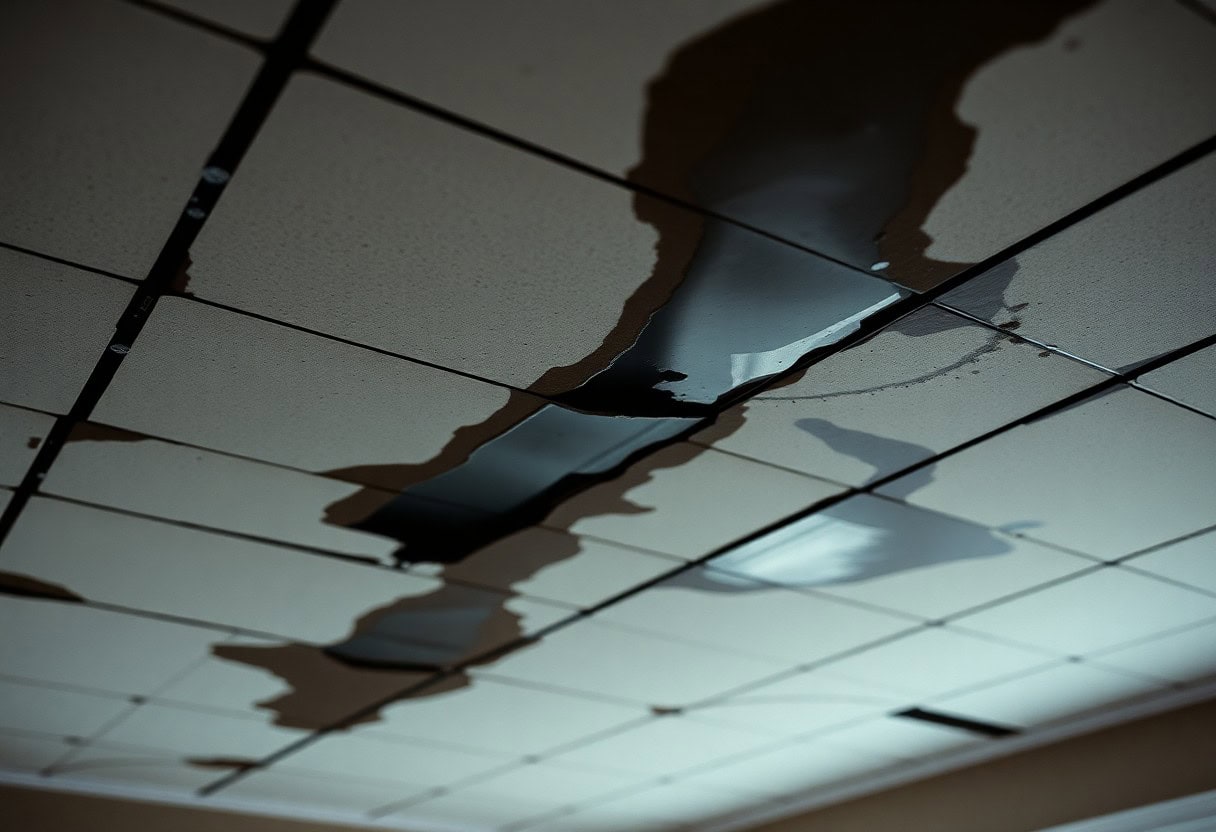
Lincoln homeowners should be vigilant about the condition of your roof, as it protects your home from the elements. Water stains on ceilings, missing or damaged shingles, and increased energy bills can all indicate that you require immediate roof repair. Additionally, if you notice leaks during rainstorms or visible sagging in your roofline, it’s imperative to act quickly to prevent further damage. Being proactive in recognizing these signs can save you time and money while ensuring the safety of your home.
Key Takeaways:
- Look for water stains on walls or ceilings, which indicate potential leaks that require immediate attention.
- Inspect for missing, damaged, or curling shingles that can compromise the integrity of your roof and lead to further issues.
- Pay attention to sagging or uneven rooflines, as this may signal structural damage that necessitates urgent repair efforts.
Warning Signs of Roof Deterioration
Spotting early signs of roof deterioration can save you from costly repairs down the line. Regular inspections are a smart move, as they help you pinpoint issues before they escalate. Pay attention to your roof’s performance in extreme weather and consider any neighbors experiencing similar problems, as they could indicate a community-wide issue. Being proactive about these warning signs can not only protect your home but also maintain its value.
Identifying Visible Damages: What to Look For
Inspecting your roof for visible damage should be part of your home maintenance routine. Look for missing or cracked shingles, as well as rust on metal roofs. Check for any sagging areas, which can be a sign of structural issues. If you’re able, safely access the roof to examine its condition or use binoculars from a distance to spot abnormalities.
Recognizing Water Stains and Mold Growth
Water stains on your ceilings or walls are red flags that reveal your roof might be compromised. Mold growth is often found in the same areas, indicating moisture problems that could lead to serious health risks if not addressed. Take immediate action if you notice these signs.
Water stains can appear as yellowish or brown patches and often spread over time, signaling leakage from your roof. Mold requires moisture to grow, thriving in dark, damp conditions usually found in attics or behind walls. If you identify these issues, act quickly to prevent further mold development and potential respiratory problems for your family. Hiring a professional can ensure not only effective remediation but also an in-depth inspection of your roof’s overall health. Ignoring these signs can lead to significant damage and costly repairs if you don’t act in a timely fashion.
The Sound of Trouble: Noises Indicating Roof Issues
Familiarizing yourself with the sounds your roof makes can be vital in spotting potential problems. Unusual noises, such as persistent banging, cracking, or popping, could signal underlying issues such as shifting materials or damage from severe weather. If you detect these sounds, especially during or after heavy rain or wind, acting quickly can save you from more extensive repairs down the line.
Distinguishing Between Normal and Problematic Sounds
Not all roof sounds warrant immediate concern. Generally, typical sounds like minor settling or the soft creaking of materials adjusting are common, especially in older homes. However, if you hear loud, disruptive noises that persist or escalate, it may indicate potential damage. Trust your instincts—if something feels off, it’s worth investigating further to protect your home.
The Role of Wildlife in Roof Damage
Wildlife can become unexpected intruders, often causing problems as they make nests or search for shelter in your roofing materials. Squirrels, raccoons, and birds can create holes and tear apart shingles, leading to significant damage over time. Recognizing the clues they leave behind, such as droppings or nesting debris, can help you take action before costly repairs become necessary.
Wildlife can wreak havoc on your roof, often without you realizing it. For example, squirrels have been known to chew through shingles, while raccoons can tear off flashing and create gaps for water to seep in. The sounds of claws on the roof or rustling in the attic can indicate an animal intrusion, which could lead to leaks or further structural issues. Acting quickly to secure your roof and deter wildlife can help avoid escalating repairs and protect your home from the elements.
Environmental Factors Contributing to Roof Damage
Various environmental factors can lead to significant roofing issues that require immediate attention. Common elements include harsh sunlight, heavy rainfall, snow accumulation, and wind. These conditions can cause wear and tear, leading to leaks, mold growth, and structural damage. It’s important to be vigilant as these factors can compound and result in severe roof deterioration. Thou should monitor your roof regularly to catch any potential issues early.
Impact of Weather Conditions in Lincoln, NE
Lincoln experiences a diverse range of weather conditions that can influence your roof’s integrity. The region is prone to heavy snowfall in winter, which can create excess weight on the roof, while summer storms can introduce high winds and hail, causing shingle damage. Moreover, rapid temperature fluctuations increase the risk of thermal shock, which can lead to cracking and expansion issues. Keeping an eye on your roof during these conditions is important.
Seasonal Changes to Monitor for Roof Health
Each season brings distinct challenges affecting your roof’s health. In the spring, melting snow may uncover hidden leaks, while summer heat can cause materials to contract and expand. Fall leaves clogging gutters can lead to water accumulation, and winter snow loads can stress the structure. Being proactive about monitoring these changes can reduce long-term damage.
In Lincoln, the gradual transition through each season can reveal different stressors on your roof. During spring, pay attention to melting snow and rain, which can lead to leaks if not identified early. In summer, intense sunlight can degrade shingles, resulting in premature wear. Autumn brings pesky leaves that accumulate and block drainage systems. With winter’s arrival, heavy snow can cause added weight, potentially resulting in sagging or even collapse. Fostering a routine inspection schedule during these seasonal changes enables you to address potential threats before they escalate into costly repairs.
The Cost of Ignoring Early Signs of Roof Trouble
Ignoring early signs of roof trouble can lead to escalating expenses that quickly outpace the costs of timely repairs. Minor leaks, for instance, can develop into significant water damage, resulting in mold growth and necessitating extensive remediation. Additionally, delayed action often leads to increased utility bills as your energy efficiency declines. Being proactive about roof maintenance and repair can save you thousands, allowing you to allocate your funds to more enjoyable endeavors than unexpected home repairs.
Financial Implications of Delayed Repairs
Delaying roof repairs can have profound financial implications. For example, a small leak that costs $200 to fix can lead to $2,000 in water damage repair if left unaddressed. Furthermore, insurance companies may deny claims on pre-existing issues, increasing your out-of-pocket costs if a severe storm hits. By acting quickly on repairs, you can protect your wallet and mitigate the risk of larger, unforeseen expenses.
Long-Term Structural Damage vs. Quick Fixes
Addressing roof issues promptly helps avoid long-term structural damage that compromises the integrity of your home. While quick fixes may seem sufficient at the moment, they often mask more significant problems that, if neglected, can cost you dearly. Structural issues can jeopardize both your safety and the value of your property, making a financial recovery impossible if not addressed early.
For example, a leaky roof may appear as a minor inconvenience, but the underlying issue could be rotting wood, compromised trusses, or weakened support beams. Tackling the root of the problem rather than relying on temporary solutions not only enhances the longevity of your roof but also preserves your home’s overall structure. By investing in quality repairs now, you can ensure the safety and stability of your home in the years to come, ultimately proving far more cost-effective than habitual band-aid fixes.
Expert Recommendations for Roof Maintenance
Maintaining your roof is crucial for its longevity and your home’s overall safety. Regular upkeep not only enhances curb appeal but also prevents minor issues from escalating into major, costly repairs. Employing preventive measures like regular inspections, clearing debris, and addressing minor repairs promptly can significantly extend the life of your roof. Additionally, investing in quality materials and working with reputable contractors ensures your roof remains in optimal condition. Creating a solid maintenance plan tailored to your specific type of roof can make a noticeable difference in its performance.
Establishing a Regular Inspection Schedule
Setting up a routine inspection schedule helps you catch issues before they evolve into significant problems. Aim for professional inspections at least twice a year, ideally in spring and fall, to check for damage caused by extreme weather or wear and tear. You should also conduct self-inspections after severe storms, looking for missing shingles, leaks, or any other visible signs of distress. Keeping a log of inspections can help you track your roof’s condition over time and identify patterns that need addressing.
When to Call in Professional Roofers
Knowing when to enlist the help of professional roofers can save you both time and money. If you notice persistent leaks, significant shingle damage, or extensive wear that exceeds minor repairs, it’s time to consult a trusted roofing expert. Other indicators include signs of structural damage, like sagging or uneven rooflines, which necessitate a professional assessment to determine the necessary course of action. Minor issues can escalate quickly; don’t hesitate to reach out for help when the signs are clear.
Calling in professional roofers becomes vital when you face issues that go beyond your repair capabilities. For instance, if your roof has extensive water damage visible in your ceilings or walls, it signals a serious problem that could lead to mold growth and structural instability. Dealing with missing or broken tiles may seem manageable, but extensive repairs may require specialized tools and expertise. Ultimately, a roofing professional will provide a thorough inspection and recommend appropriate solutions, ensuring your roof is restored effectively and safely.
Conclusion
Taking this into account, recognizing the signs that you need immediate roof repair in Lincoln, NE, can save you from more extensive damage and expenses down the line. If you observe leaks, missing shingles, or any significant wear and tear, it’s important to act quickly. Additionally, any sagging areas or water stains inside your home are clear indicators that your roof requires urgent attention. By addressing these issues promptly, you protect your investment and ensure the safety and comfort of your living space.
FAQ
Q: What are the visible signs of roof damage that indicate immediate repair is necessary in Lincoln, NE?
A: There are several visible signs of roof damage that suggest immediate repair is needed. One common indication is the presence of missing or damaged shingles, which can leave your roof vulnerable to leaks and further deterioration. Another sign is the appearance of water stains on your ceiling or walls, which often points to an underlying roof leak. Additionally, if you notice sagging areas on your roof, this could indicate significant structural issues that require prompt attention.
Q: How can weather conditions in Lincoln, NE affect the need for roof repairs?
A: Weather conditions play a significant role in the wear and tear of roofs. In Lincoln, NE, heavy snow, ice, or severe storms can lead to ice dams or excessive load on the roof, resulting in potential leaks or structural damage. After a storm, check your roof for fallen branches, debris, or visible damage, as these can create immediate repair needs. Regularly inspecting your roof after extreme weather events is a good practice to prevent long-term issues.
Q: Are there any signs of internal damage that might indicate the need for roof repair?
A: Yes, there are several internal signs that may suggest a need for roof repair. Look for damp patches or discoloration on your ceiling or walls, as these can indicate a leak originating from the roof. Additionally, if you notice mold or mildew growth inside your home, it may be a sign of prolonged moisture exposure from a compromised roof. Unpleasant odors or increased energy bills can also hint at ventilation problems associated with roofing issues, which may require immediate investigation and repair.