

Understanding what’s out there is not just about picking any roof—it’s about finding the right fit for your sanctuary. This guide peels back the layers, cutting through the overwhelming options, so you can discover the best roofing solution that complements both your home’s style and your environmental needs. We’re diving into the world of residential roofing, a crucial aspect of home maintenance that offers protection, energy efficiency, and aesthetic appeal. Against this backdrop, we’ll explore everything from asphalt to metal, unraveling each material’s strengths and quirks. Whether you’re driven by a visual upgrade, durability, or energy savings, let’s fuel your curiosity with straightforward knowledge that takes the guesswork out of this essential decision.
Strategic Overview: Understanding Residential Roofing Options
Unlock the secrets to choosing the perfect roofing solution that not only protects but enhances your home’s character. When exploring roofing options, the goal is not merely to pick a covering for your house but to align it with your home’s specific needs and characteristics. A well-chosen roof can significantly affect your home’s aesthetics, climate resilience, and financial longevity. By understanding the broader landscape of roofing materials, alongside technical specifications, you establish the groundwork for informed and strategic decisions. A clear grasp of these elements helps integrate roofing choices smoothly into overall home improvement strategies, ensuring both immediate value and long-term satisfaction.
Transitioning from this structured comparison, let’s satisfy your curiosity further by diving into what exactly makes each material unique. This next section unravels the distinct and sometimes surprising strengths of various materials, foregrounding the characteristics that could influence your choice profoundly.
Framework for Comparison
Navigate through a thoughtful comparison of roofing materials ensuring your decisions are grounded in solid information. Comparing roofing materials requires a rigorous framework that isolates core attributes like cost, durability, and aesthetics. Each type offers a unique set of advantages and drawbacks, conducive to customized solutions that suit varying architectural needs and climates. A structured comparison sets clear distinctions, aiding homeowners to prioritize essential factors without crossover confusion. Such clarity ensures decision-making remains grounded in impartial assessments, bolstered by reliable data.
As you’ve seen, material selection hinges as much on personal preference as on practical considerations. Now, we’ll dive even deeper, comparing the economics of these choices to show how your roofing decision impacts not just your home’s aesthetic, but also your financial planning over time.
Searcher Motivation & Content Angle
Satisfy your curiosity by exploring clear, unbiased insights into the diverse world of roofing options. This content is designed to satisfy the inherently curious nature of homeowners looking to invest wisely in roofing. By demystifying the residential roofing process, we illuminate material limitations and potentials with precision, driving curiosity into informed action. This exploration blends authoritative insights with practical decision-making frameworks, turning complex material science into accessible, actionable advice.
Reflecting on these cost considerations allows us to appreciate the worth of longevity and durability in your investment. Next, we’ll explore how different roofing materials measure up in terms of lifespan and durability, providing insights into maintaining your home’s protective crown over the years.
Primary Section 1: Roofing Material Types and Characteristics
Asphalt Roofing Options
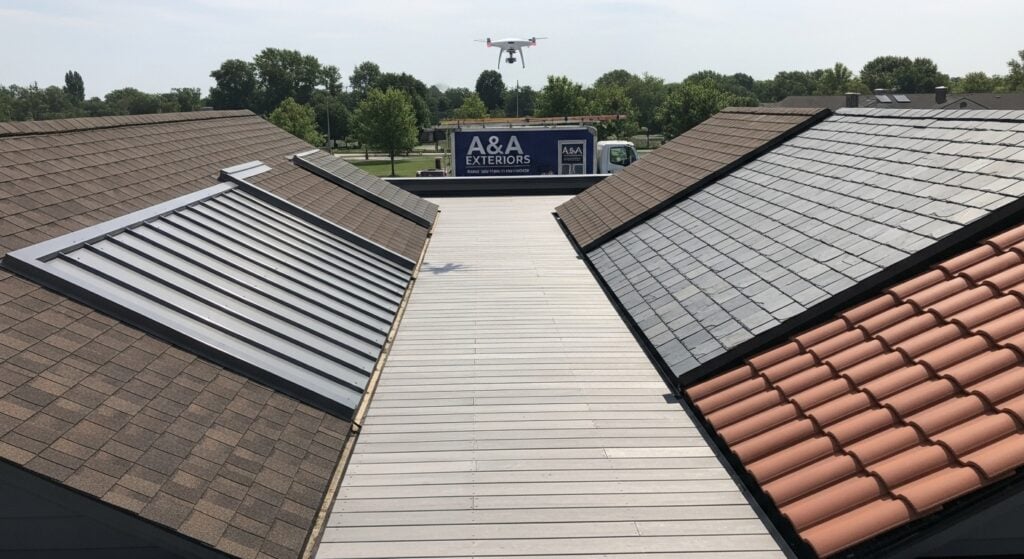
Discover why asphalt shingles remain a top pick for American homes, balancing cost-effectiveness with aesthetic versatility. Asphalt shingles continue to dominate due to their economic appeal and versatility. With options like three-tab and architectural styles, asphalt provides a range that supports varied aesthetic and performance needs. Recent advancements, such as algae-resistant coatings, enhance these shingles’ durability, addressing traditional weather-related weaknesses while maintaining affordability.
Metal Roofing Varieties
Explore how metal roofing combines durability with modern style, offering a long-term investment in home fortification. Metal roofing stands out for its robustness and eco-friendliness, making it ideal for harsh weather conditions. Despite higher initial costs, metal roofs promise long-term savings due to their low maintenance requirements and potential insurance benefits. Their recyclability and fire resistance further reinforce their growing reputation as a smart, sustainable choice.
Natural and Traditional Materials
Dive into the charm and resilience of traditional roofing materials that echo centuries of architectural heritage. Wood, tile, and slate carry aesthetic charm and historical reverence. However, they require careful consideration of maintenance demands and regional adaptability. Clay and concrete tiles excel in hot climates, while slate offers unmatched longevity, despite needing skilled installation. These materials marry tradition with performance within suitable locales.
Synthetic and Emerging Options
Uncover innovative, sustainable roofing solutions that promise longevity and environmental harmony. Advancements in synthetic materials replicate the appearance of traditional options minus their limitations. These materials often provide lighter weight choices with comparable durability and less environmental impact, making them appealing for modern, energy-efficient homes. Reinforcing their commitment to innovation, manufacturers continually strive to enhance performance and authenticity.
Understanding all facets of maintenance is crucial, as it influences how viable a roofing choice is over the long haul. Armed with this knowledge, let’s explore how these roofing options contribute to energy efficiency and align with sustainable living, enhancing both comfort and conscience.
Primary Section 2: Comparative Evaluation of Roofing Options by Key Criteria
Cost Analysis
Compare upfront and lifetime costs to identify a roofing investment that makes both financial and practical sense. Comparing costs intricately ties upfront material expenses to long-term economic outcomes. While initial investments in materials like metal may deter some, lifecycle analyses reveal substantial savings through reduced maintenance and extended durability. Detailed cost modeling facilitates homeowners in aligning financial expectations with practical realities.
Durability and Lifespan
Assess the endurance of different roofing materials to ensure you choose a roof that stands the test of time. Material durability is crucial, manifesting in a roof’s ability to withstand elements like wind, hail, and fire. Various materials offer different longevity profiles; for instance, slate and metal typically outlast asphalt. Understanding specific durability tests and certifications empowers homeowners to predict maintenance rhythms and replacement cycles accurately.
Maintenance and Installation Complexity
Grasp the installation nuances and upkeep needs that can impact your roofing choice and overall ease of maintenance. Maintenance demands vary notably across roofing types, often influencing overall sustainability. For instance, wood requires regular treatment, while metal’s longevity hinges on precise installation. Addressing potential pitfalls in installation not only extends roof life but also ensures warranties remain intact, safeguarding investments.
Energy Efficiency and Environmental Impact
Explore roofing options that not only save energy but also contribute to a greener planet. Roofing choices impact your home’s energy profile. Reflectivity and insulation properties of materials like metal and synthetic membranes can lower energy costs and enhance comfort. Furthermore, assessing environmental credentials, such as recyclability, is increasingly pivotal in eco-friendly home design, aligning roofing projects with sustainable building standards.
As we wrap up energy and environmental considerations, it’s clear how integral these choices are to shaping your home’s efficacy. Now, let’s shift our perspective to how these elements harmonize with your home’s architectural spirit, emphasizing design compatibility as a key part of the selection process.
Primary Section 3: How to Choose the Right Residential Roofing Option for Your Home
Assessing Home Style and Architectural Compatibility
Learn how to match your roof with your home’s style to create a lasting first impression. A roof can elevate or diminish your home’s visual harmony. Selecting the right material involves aligning it with architectural style and community standards, enhancing curb appeal while adhering to HOA guidelines. Thoughtful roofing decisions balance beauty and function, showcasing the home’s best attributes.
Climate and Regional Considerations
Discover roofing materials that suit your local climate, ensuring optimum performance and peace of mind. Regional climate shapes roofing needs; areas prone to moisture will favor materials like slate or metal known for moisture resistance, while fire-prone regions opt for tiles with high fire ratings. Understanding how local conditions intersect with material performance helps predict longevity and efficiency.
Budget Planning and Long-Term Investment
Equip yourself with the tools to plan financially, so your roofing choice is an investment rather than an expense. Roofing projects are significant investments impacting property value and operational costs. By evaluating financing solutions and tax incentives, homeowners can offset initial expenses, ensuring their choice pays dividends in long-term savings. This section encourages a forward-looking perspective on financial planning.
Consultation and Professional Roofing Services
Find out the key to hiring reliable roofing professionals, making sure your project is executed flawlessly. The success of a roofing project often hinges on expertise. Engaging qualified professionals ensures the job adheres to both aesthetic aspirations and technical requirements. Understanding how to assess contractor credentials and post-installation services can significantly enhance the outcome, preventing costly missteps.
The importance of professional partnership cannot be understated—it ensures the vision you’ve crafted translates flawlessly from planning to reality.
Conclusion
Navigating the labyrinth of residential roofing choices brings us to a critical juncture. We’ve peeled back each layer, understanding the dynamics of asphalt’s popularity, metal’s resilience, and the allure of traditional materials like wood and slate, alongside the innovation in synthetic alternatives. This journey reflected how each option aligns uniquely with home style, climate, and personal preference. The insight into costs, durability, and energy impacts offers a comprehensive framework, empowering decisions grounded in both practicality and vision. By contextualizing these choices within the broader roofing narrative, we’ve underscored how roofing transcends mere utility, embodying a strategic extension of your home’s identity.
This article has sought to educate and demystify, delivering on the promise to align your roofing choice with your home’s unique character. By situating this content under the broader topic of roofing services, we’ve enhanced our understanding of how informed decisions not only elevate personal spaces but also contribute to the broader architectural tapestry.
In closing, let this exploration ignite your curiosity and confidence. Roofing isn’t just about what covers your home—it’s about the dialogue between structure, environment, and personal legacy. Whether you’re prompted by visual goals, environmental responsibility, or a durable investment, take the next step assured of your path as an informed and thoughtful homeowner.
Frequently Asked Questions About Residential Roofing
1. What are the key factors homeowners should consider when selecting a residential roofing material?
Why the Question Matters: Choosing a roof is a significant investment impacting the home’s protection, aesthetics, energy efficiency, and long-term financial planning. Understanding key factors helps homeowners make informed decisions that balance style, durability, and cost.
What People Should Be Asking Instead: How can I align roofing material choices with my home’s architectural style, climate conditions, and my budget for both upfront costs and lifecycle expenses?
The Answer: Homeowners should evaluate roofing materials based on architectural compatibility, local climate suitability, cost (both initial and lifetime), durability, maintenance complexity, energy efficiency, and environmental impact. For example, asphalt shingles are versatile and budget-friendly, metal roofing offers durability and eco-friendliness, and traditional materials like slate or tile suit specific climates and aesthetics. Balancing these considerations ensures the roof complements the home’s style while withstanding weather and optimizing investment over time[4][7].
2. How do different roofing materials compare in terms of durability and maintenance requirements?
Why the Question Matters: The longevity and upkeep of a roof directly affect ongoing costs, potential repair needs, and overall satisfaction with the roofing investment. Misunderstanding these can lead to premature replacement or excessive maintenance costs.
What People Should Be Asking Instead: Which roofing materials offer the best balance of lifespan and manageable maintenance tailored to my region’s weather patterns?
The Answer: Durability varies widely: metal and slate roofs generally outlast asphalt shingles, with lifespans reaching 50 years or more for slate and metal, while asphalt lasts 15-30 years. Wood shingles offer natural beauty but require regular treatment to prevent rot and fire risk. Synthetic options are emerging to mimic traditional materials with lower maintenance. Materials like concrete tiles are durable but heavy, requiring structural consideration. Maintenance complexity is lower for metal roofs but higher for wood and traditional tile roofs. Understanding these elements helps anticipate upkeep and maximize roof longevity[4][5].
3. What is the financial impact of choosing different residential roofing options over the long term?
Why the Question Matters: Roofing is a costly home improvement project; understanding total cost of ownership beyond initial price is critical for budget planning and maximizing home value.
What People Should Be Asking Instead: How can I evaluate the total cost of roofing materials, including installation, maintenance, lifespan, and potential energy savings?
The Answer: While asphalt shingles have lower upfront costs ($1.50–$4.50 per square foot), they may require replacement sooner than metal or slate roofing, which have higher initial costs but longer lifespans and lower maintenance. Metal roofs, despite higher installation costs, can yield savings via durability, insurance benefits, and energy efficiency. Synthetic materials balance aesthetics and cost but vary widely. Lifecycle cost analysis factoring installation, repairs, energy use, and resale value is essential for making financially sound roofing decisions[2][5].
4. How do residential roofing options contribute to energy efficiency and environmental sustainability?
Why the Question Matters: With rising energy costs and environmental awareness, roofing choices play a crucial role in a home’s energy profile and ecological footprint.
What People Should Be Asking Instead: Which roofing materials offer the best energy savings and environmental benefits without compromising durability or design?
The Answer: Roofs with high solar reflectance and insulating properties, such as metal roofing and certain synthetic membranes (e.g., PVC), can reduce cooling costs significantly. Cool roofing options with reflective pigments increase energy efficiency. Materials that are recyclable or made from sustainable sources, such as metal or composite shingles with recycled content, lower environmental impact. Green roofs provide insulation and oxygen benefits but require intensive maintenance. Homeowners should weigh energy savings and sustainability alongside aesthetic and durability factors to make holistic roofing choices[4][6].
5. What role do professional roofing services play in ensuring a successful roofing project?
Why the Question Matters: The quality of installation and contractor expertise directly influence roof performance, warranty validity, and overall satisfaction. Poor installation can lead to failures and costly repairs.
What People Should Be Asking Instead: How do I find, evaluate, and collaborate with roofing professionals to ensure my chosen roofing solution is installed correctly and lasts?
The Answer: Hiring qualified, experienced roofing contractors is vital. Homeowners should verify credentials, check references, and understand warranty coverage. Professionals ensure proper installation techniques suited to material types, helping avoid common pitfalls that can void warranties or reduce roof lifespan. Ongoing communication and post-installation services further safeguard the investment, translating homeowners’ vision into durable reality[4].
Citations
- [4] Roofing Material Comparison: A Brief Guide | RoofPRO
- [5] Top 16 Roofing Materials for 2024: A Comprehensive Guide | Roof-Crafters
- [6] Roof Product Comparison – Cool California
- [7] 12 Types of Roofing Materials and Their Costs – The Spruce
- [2] The Pros and Cons of the 11 Best Types of Roofing Materials | Bill Ragan Roofing