
Many homeowners in Omaha, NE, find themselves facing the aftermath of hail damage, which can significantly affect your roofing and siding choices. Understanding how hail impacts these materials will help you make informed decisions that not only restore your home but also enhance its durability and value for the long term. By choosing the right materials and properly assessing the extent of the damage, you can ensure your home withstands future weather challenges effectively.
Key Takeaways:
- Hail damage can significantly affect the lifespan and durability of roofing materials, prompting homeowners in Omaha to prioritize impact-resistant options when replacing or upgrading their roofs.
- Choosing durable siding materials can help mitigate hail damage, with options like fiber cement and vinyl siding proving to be more resilient compared to traditional wood or aluminum.
- Regular inspections and maintenance after hailstorms are important for assessing damage, as they can help inform future material choices and improve overall home protection.
The Financial Toll of Hail Damage
Experiencing hail damage affects more than just the exterior of your home; it can have a significant financial impact as well. The costs associated with repairs and replacements can quickly add up, leading to unexpected expenditures that strain your budget. In Omaha, where hail storms are common, understanding the financial aspects of hail damage is vital in making informed decisions regarding your roofing and siding choices.
Estimating Repair Costs: What to Expect
Repair costs following a hailstorm can vary significantly depending on the extent of the damage. On average, you can anticipate spending between $1,000 and $3,000 for minor repairs, while major replacements may run upwards of $10,000. Factors that influence costs include the type of materials used, labor charges, and the complex nature of the repairs, making it vital to obtain multiple estimates before proceeding.
Insurance Implications: Navigating Claims After Damage
Dealing with insurance claims after hail damage can be a daunting process, but understanding your coverage is key. Many homeowners in Omaha find that their homeowner’s insurance policy covers hail damage, which can alleviate some of the financial burden. However, knowing the specifics of your policy can help you avoid unexpected out-of-pocket costs while navigating the claims process. Additionally, keep in mind that not all damage may be fully covered, depending on your policy limits and deductible amounts.
To ensure a smooth claims process, start by documenting all damages with detailed photographs and notes. Reach out to your insurer promptly, as many policies have a time limit for filing claims. Be prepared for an adjuster to visit your home to assess the hail damage firsthand. It’s advisable to provide them with your documentation, as this can help substantiate your claim and potentially expedite the approval process. Familiarizing yourself with the intricacies of your policy can save you from potential pitfalls and ensure you receive the support needed for repairs.
Assessing Hail Damage: Identifying Vulnerabilities in Roofing and Siding
After a hailstorm, a comprehensive assessment is crucial to determine the extent of damage to your roofing and siding. Begin by inspecting both the exterior and interior of your home for potential vulnerabilities. Hail can create dings, dents, or cracks that compromise the integrity of your roofing materials, allowing water to seep in and leading to costly repairs down the line. Prioritize areas directly exposed to the elements, as these locations are particularly susceptible to hail damage. Conducting a thorough evaluation will help you make informed decisions on necessary repairs or replacements.
Key Signs of Damage: What Homeowners Should Look For
When assessing hail damage, focus on key signs such as visible dents or cracks in shingles, and pockmarks or splits in siding. Inspect gutters and downspouts for debris accumulation, which may indicate damage. Pay attention to any roof granules found in your gutters, as this may signify significant wear and tear. If you notice any water stains on ceilings or walls, these could also indicate underlying damage that warrants immediate attention.
Materials at Risk: Which Roofing and Siding Choices are Most Affected
Certain materials are more vulnerable to hail damage than others. Asphalt shingles, for example, can suffer from significant granule loss or cracking, while metal roofing may sustain dents. Vinyl siding, although durable, can crack or warp upon impact from hailstones. Wood siding can be dented and is prone to moisture seepage if damaged. Selecting the right materials can significantly influence how well your home withstands future hail storms.
Asphalt shingles are particularly susceptible to hail damage due to their composition; they can chip easily and lose their protective coating when struck. Metal roofs, while more resilient against impacts, can still show dents that might compromise their aesthetic appeal and lead to issues if water accumulates in creases. Vinyl siding, while cost-effective, lacks the durability needed to withstand heavy hail, making it a less ideal choice in storm-prone areas like Omaha. Homeowners should consider these factors when selecting materials that not only fit their budget but also offer the best protection against hail events.
Choosing Resilient Materials Against Hail
Your roof and siding can face significant challenges from hailstorms, especially in a region like Omaha. Selecting resilient materials that withstand hail damage not only ensures your home’s longevity but also reduces the frequency and cost of repairs. Options abound, from impact-resistant shingles to high-durability siding solutions that can better resist dents and cracks. Investing in these materials now could save you headaches—and money—in the future.
Impact-Resistant Roofing Options: What Works Best in Omaha
In Omaha, impact-resistant roofing shingles are among the best choices for combating hail damage. Products rated Class 4 by Underwriters Laboratories show exceptional resilience, effectively absorbing hail’s impact. Asphalt shingles reinforced with polymers provide both durability and curb appeal. Alternatively, metal roofing offers longevity and outstanding performance against extreme weather conditions, making it a solid investment for long-term protection.
Siding Solutions: Selecting Materials That Weather the Storm
Choosing the right siding materials can significantly influence your home’s ability to withstand hail damage. Fiber cement, engineered wood, and vinyl siding are among the top choices for durability in the face of hail impact. Engineered wood, for example, not only provides a traditional wood appearance but also comes treated to resist dents and moisture, enhancing performance during storms.
Fiber cement siding stands out for its ability to replicate the look of wood while resisting hail damage effectively. This material is non-combustible and, due to its density, can absorb hail impacts better than traditional wood or vinyl. Vinyl siding, especially thicker varieties, offers a lightweight and cost-effective solution, capable of withstanding moderate to severe hail conditions, as long as you choose quality products. By carefully selecting materials for your siding, you create a protective barrier that minimizes future repair costs and maintains your home’s aesthetic value.
Local Weather Trends and their Influence on Roofing and Siding Selection
In Omaha, your choices for roofing and siding materials require careful consideration due to specific local weather trends. The region experiences significant temperature fluctuations along with frequent thunderstorms, making it vital to select durable materials designed to withstand both hail and heavy rainfall. Opt for products that boast a higher impact resistance rating or advanced weatherproofing features to ensure a strong defense against the elements.
The Climate of Omaha: Insight into Hail Frequency
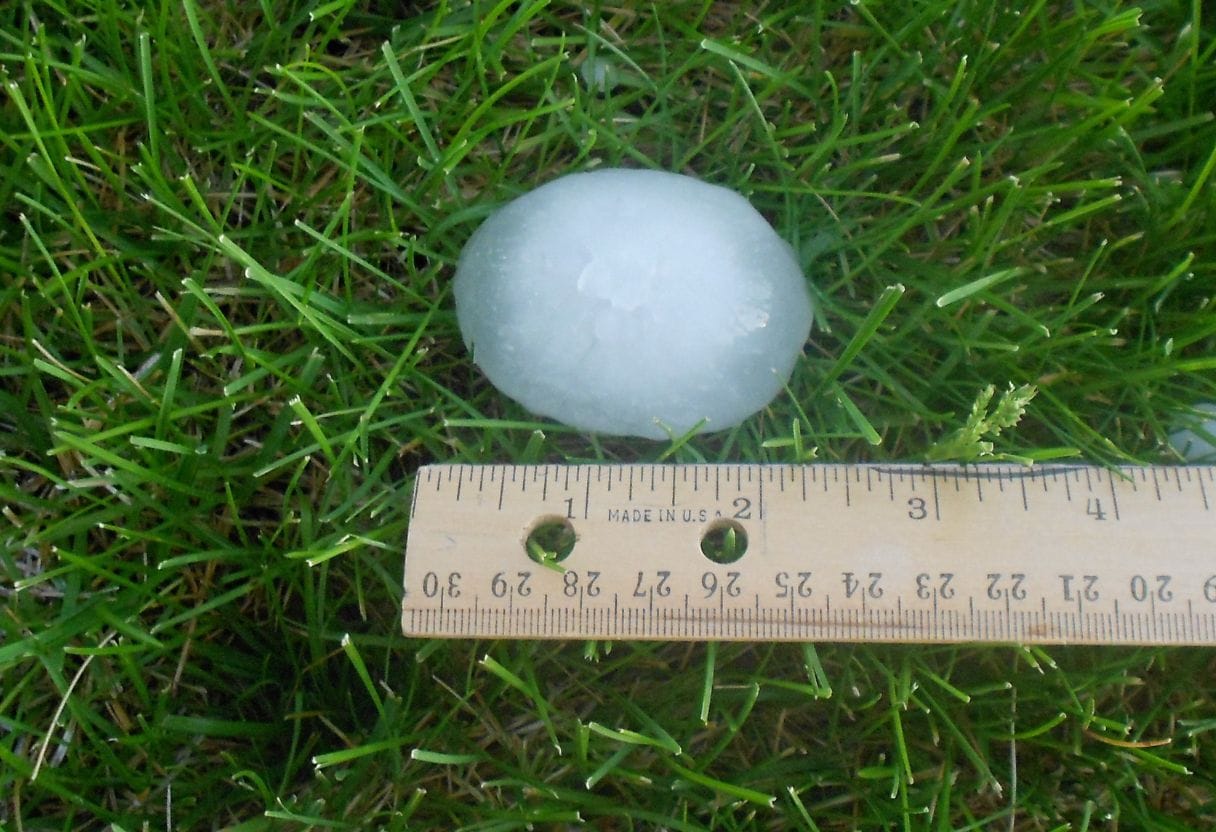
Omaha sees an average of 12 hail storms annually, particularly during the spring and summer months. These storms can deliver damaging hailstones, sometimes exceeding 2 inches in diameter. The frequency and intensity of such weather events necessitate roofing and siding materials that can endure extreme conditions, reducing the risk of costly repairs and replacement.
Future-Proofing Your Home: Preparing for Severe Weather Events
Investing in your home’s resilience against future severe weather events is a proactive choice. Incorporating materials like impact-resistant shingles and reinforced siding can significantly enhance your home’s durability. Products engineered for high wind and hail resistance can lead to fewer claims and repairs, preserving your home’s integrity and value.
Future-proofing your home goes beyond selecting materials; you should also consider proper installation and routine maintenance. Hiring experienced contractors familiar with local conditions ensures that your roofing and siding are secured to withstand harsh elements. Additionally, investing in supplemental features such as gutter guards and storm shutters can further shield your home from water infiltration and debris impact, creating a comprehensive defense system that protects your investment for years to come.
Expert Recommendations for Homeowners Post-Damage
After experiencing hail damage, seeking expert advice can streamline your recovery process. Begin with a detailed inspection of your roofing and siding, capturing images of any evident damage. Engaging a professional promptly not only helps in assessing the extent of the impact, but also allows for a thorough evaluation of your insurance coverage. Homeowners should document the conditions for potential claims and consult local experts on the best materials suitable for their environment.
Working with Professionals: When to Call in a Roofer or Contractor
Calling in a roofer or contractor becomes necessary when you notice significant signs of damage, such as missing shingles, leaks, or cracks. Our experienced roofing contractors in Omaha, Wahoo, and surrounding areas can identify both visible and hidden roofing issues, using expert knowledge to uncover problems that may go unnoticed by an untrained eye. If the repair bills exceed a certain threshold, it’s advisable to consult your insurance agent to understand coverage and file a claim.
Maintenance Strategies to Prevent Future Issues
Implementing proactive maintenance strategies not only prolongs the lifespan of your roofing and siding but also mitigates damage risks from severe weather. Regular inspections should be scheduled at least twice a year, focusing on areas most susceptible to hail strikes, such as gutters and downspouts. Keeping your roof clear of debris can also prevent water accumulation and promote proper drainage, reducing heavy load during storms.
Additionally, consider investing in impact-resistant materials that meet certain ratings established by the Insurance Institute for Business & Home Safety (IBHS). For instance, roofing shingles with a Class 4 rating can withstand hailstones up to 2 inches in diameter without cracking or breaking. This precaution, along with reinforcing vulnerable spots with protective barriers, helps ensure that your home stands resilient against future hail storms.
To wrap up
Drawing together your options after hail damage in Omaha, NE, it’s crucial to consider how this weather phenomenon affects your roofing and siding choices. The impact of such damage can guide you toward more durable materials that withstand future storms, ensuring long-term protection for your home. By understanding the extent of hail damage, you can make informed decisions that enhance your home’s resilience and aesthetic appeal. Prioritizing quality and durability will benefit you in maintaining both the safety and value of your property.
Q: What are the common signs of hail damage on roofs in Omaha, NE?
A: Hail damage on roofs can manifest in several ways, particularly after a storm. Common signs to look for include dents or dings in metal roofing or gutters, loss of granules on asphalt shingles (which may appear as black patches), and cracks or tears in the material. Homeowners may also notice leaks or water spots on ceilings and walls, which can indicate compromised roofing integrity. It’s advisable to have a professional inspection following a hail storm to assess any potential damage and recommend necessary repairs.
Q: How does hail damage affect the choice of roofing materials for homes in Omaha, NE?
A: The frequency and severity of hail storms in Omaha can influence the selection of roofing materials. Homeowners might consider impact-resistant materials such as composite shingles, metal roofing, or tiles that are specifically designed to withstand hail damage. These materials can potentially reduce the risk of future damage and might also result in lower insurance premiums. It’s also imperative to review local building codes and regulations that might dictate the use of certain materials in hail-prone areas.
Q: What should homeowners do after experiencing hail damage to their siding in Omaha, NE?
A: Following hail damage to siding, homeowners should first conduct a thorough inspection of the affected areas. Look for cracks, dents, or sections that may have come loose. It’s prudent to document the damage with photographs for insurance claims. Additionally, homeowners should contact their insurance provider to discuss coverage and options for repairs or replacement. Choosing durable siding materials, such as fiber cement or impact-resistant vinyl, can help mitigate future hail damage and enhance overall home resilience.