
Overview of Residential Roofing Options
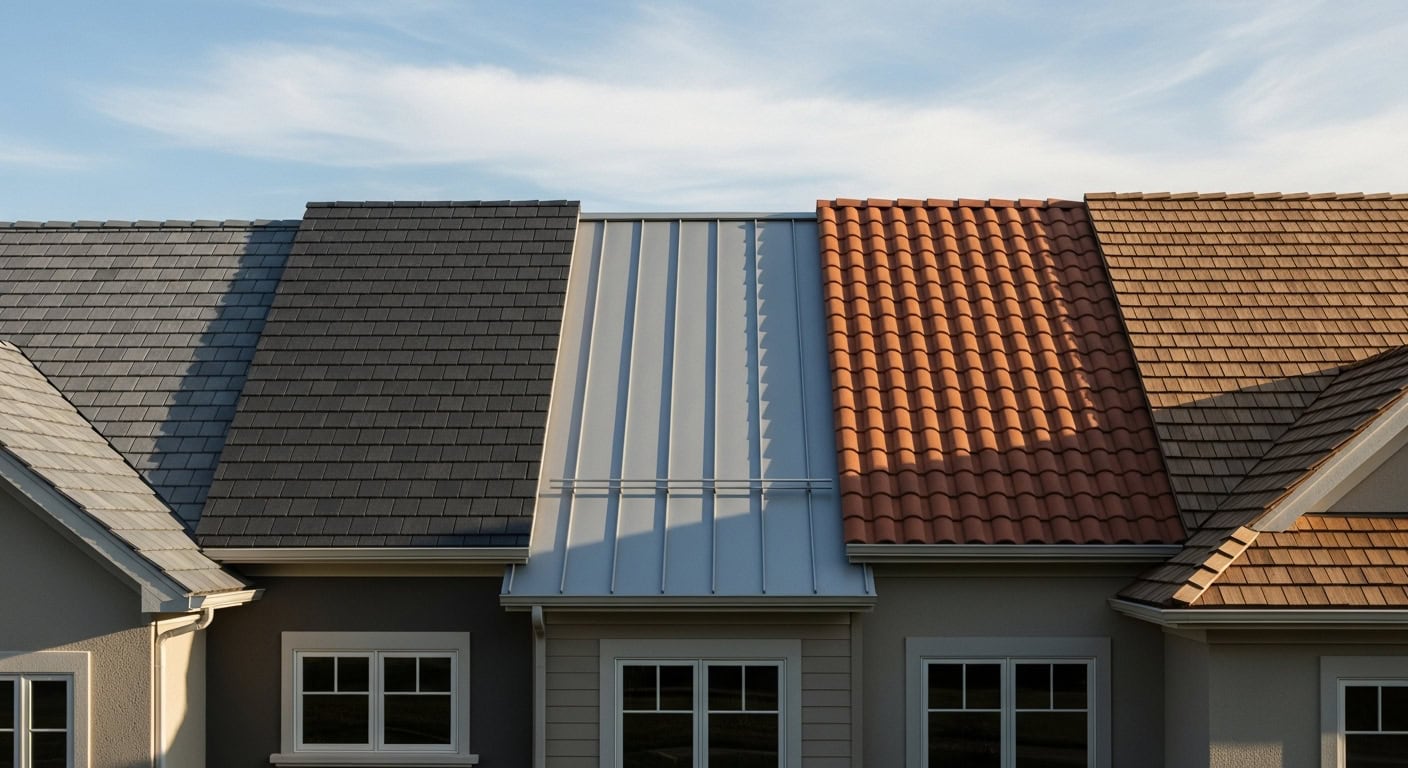
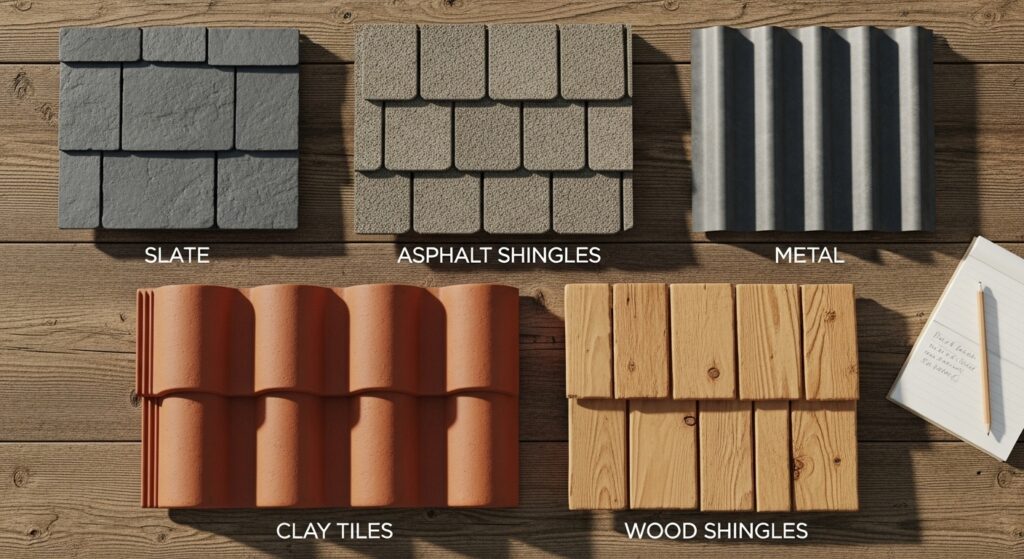
When deciding on roofing materials, understanding the distinctive features of each can significantly aid in uncovering the best choice for your home. Asphalt shingles offer affordability and color variety but fall short against severe weather. Conversely, metal roofing, though pricier, provides unmatched durability and energy efficiency, reducing long-term costs through decreased maintenance. Clay and concrete tiles add a timeless charm with excellent fire resistance but require reinforced roof support due to their weight. Slate’s natural elegance and longevity come at a high cost and require expert installation. Wood shingles offer a classic look with good insulation but demand regular upkeep. Each material comes with its own set of pros and cons, making it crucial to weigh them according to your specific environment and aesthetic preferences.
Choosing among various Residential Roofing Options is essential to ensure that your home remains protected and aesthetically pleasing.
With a clear understanding of each material’s strengths and limitations, you can now fine-tune your decision-making process. It’s time to dive into the crucial factors that will help you determine the best roofing choice for your home’s unique conditions, guided by climate, cost, aesthetics, and durability considerations.
Factors to Consider When Choosing Roofing Materials
Several critical factors should enlighten your decision on roofing materials, starting with climate. The local weather can affect the longevity and performance of your roof more than any other factor; hence, materials that withstand local weather patterns are vital. Costs can escalate quickly, but initial investment needs to be weighed against potential energy savings and maintenance over time. Aesthetic considerations are more than just curb appeal; they should align with structural integrity and local regulations. Finally, ease of maintenance and expected lifespan should guide your choice, ensuring that the roof you choose can meet both immediate and long-term needs.
Having navigated the essential factors that influence roofing decisions, it becomes evident that assurance in choice doesn’t solely rest in understanding options but also in local expertise. Local roofing solutions not only enrich these considerations but also provide tailored insights specific to your region.
Advantages of Local Roofing Solutions
Local roofing providers offer a level of service finely tuned to regional specifics, which can be a tremendous advantage. With expertise deeply rooted in local climate and building styles, they offer recommendations that integrate seamlessly with your home’s needs. They often complete projects faster and with fewer communication bottlenecks than national chains, thanks to direct customer relationships and shorter response times. This localized understanding translates into better resilience and compliance, often with lower operational costs due to minimized logistical surcharges, ultimately delivering superior value.
Embracing the benefits of local roofing expertise not only enhances the selection process with nuanced context but also embodies a strategic approach to achieving the optimal blend of function and style. As you synthesize these insights, remember the ultimate goal: selecting a roofing material that elevates your home while offering enduring benefits.
Conclusion
Choosing the right roofing material is more than ticking boxes on a feature list; it’s about harmonizing functionality, aesthetics, and value in a way that suits both your personal preferences and local climate demands. Each material offers distinct benefits, from the economy of asphalt shingles to the timeless durability of slate or the modern appeal of metal. Recognizing these nuances empowers you to make decisions grounded in relevance and foresight.
As we’ve considered critical factors like climate fit, cost-effectiveness, and maintenance, it’s clear that understanding these elements equips you to navigate the myriad of options effectively. Additionally, leveraging local expertise not only aligns your choice with regional climate and architectural styles but also enhances the practical longevity of your investment.
Ultimately, the journey toward selecting the best roofing material for your home is a pursuit of peace of mind—knowing you’ve chosen wisely based on informed comparisons and strategic insights. As you stand ready to make this important decision, remember that your roof doesn’t just protect your home; it defines your space and complements your life. Making the right choice today isn’t just about shielding your investment but creating a haven that meets both present comforts and future aspirations.
FAQ’s
Which roofing material lasts the longest?
Why the Question Matters
Homeowners want assurance their investment will stand the test of time, minimizing future replacement costs and inconvenience. Emotional peace of mind is a key driver for those with a desire to protect their home and family.
What People Should Be Asking Instead
“What roofing material offers the best balance of longevity, cost, and suitability for my local climate?”
The Answer
Slate tile offers the longest natural lifespan (75–200+ years), but comes with high cost and structural requirements. Clay and concrete tiles last 50–100+ years but are also heavy. Metal roofs (including steel, aluminum, and copper) are durable (30–80+ years), cost-effective over time, and adaptable to most climates. Consider not just lifespan, but also your home’s structural capacity, budget, and local weather.
How does my climate influence the best roofing material for my home?
Why the Question Matters
Climate directly affects roof performance and lifespan. Homeowners need to feel confident their choice can withstand local weather extremes and protect their investment long-term.
What People Should Be Asking Instead
“Which roofing materials are most resilient to the specific weather patterns in my area?”
The Answer
Climate plays a crucial role. Metal and slate perform well in almost all climates, including harsh winters or high winds. Clay tiles are ideal for hot, dry climates but may crack in extreme cold. Asphalt shingles are budget-friendly but less resilient in extreme weather. Wood shingles are best for moderate climates but require more maintenance in moist or humid areas.
Is the cheapest roofing material always the best value?
Why the Question Matters
Cost is a major decision trigger, but homeowners often seek long-term value over short-term savings. They want to avoid future costly repairs and premature replacement.
What People Should Be Asking Instead
“How do upfront costs compare to long-term maintenance and replacement expenses?”
The Answer
Asphalt shingles are the most affordable upfront but have a shorter lifespan (15–30 years). Metal and slate are more expensive initially but last much longer, often making them more cost-effective over time when factoring in replacement and maintenance costs. Always consider both initial investment and long-term value.
How important is local expertise when choosing a roofing material?
Why the Question Matters
Homeowners can feel overwhelmed by choices and want guidance tailored to their unique needs. They value trust, local knowledge, and support for their big investment.
What People Should Be Asking Instead
“How can local roofing providers help me make the best decision for my home and climate?”
The Answer
Local experts offer insights into regional climate, building codes, and architectural styles, helping you select materials that provide optimal longevity and resilience. Their familiarity with local suppliers and installation best practices can save time, reduce costs, and ensure your roof is built to last.
What are the maintenance requirements for different roofing materials?
Why the Question Matters
Homeowners want a low-maintenance solution that keeps their home safe and preserves curb appeal, reducing stress and long-term hassles.
What People Should Be Asking Instead
“What level of ongoing maintenance is realistic for my lifestyle and budget?”
The Answer
Slate, clay, concrete, and metal roofs require relatively little maintenance, while wood shingles need regular upkeep to prevent rot and insect damage. Asphalt shingles and composite materials offer a balance between maintenance needs and affordability. Consider your willingness and ability to perform routine upkeep when choosing a roofing material.
Citations
- A Homeowner’s Guide To Roof Lifespan By Materials – renovaroofing.com