
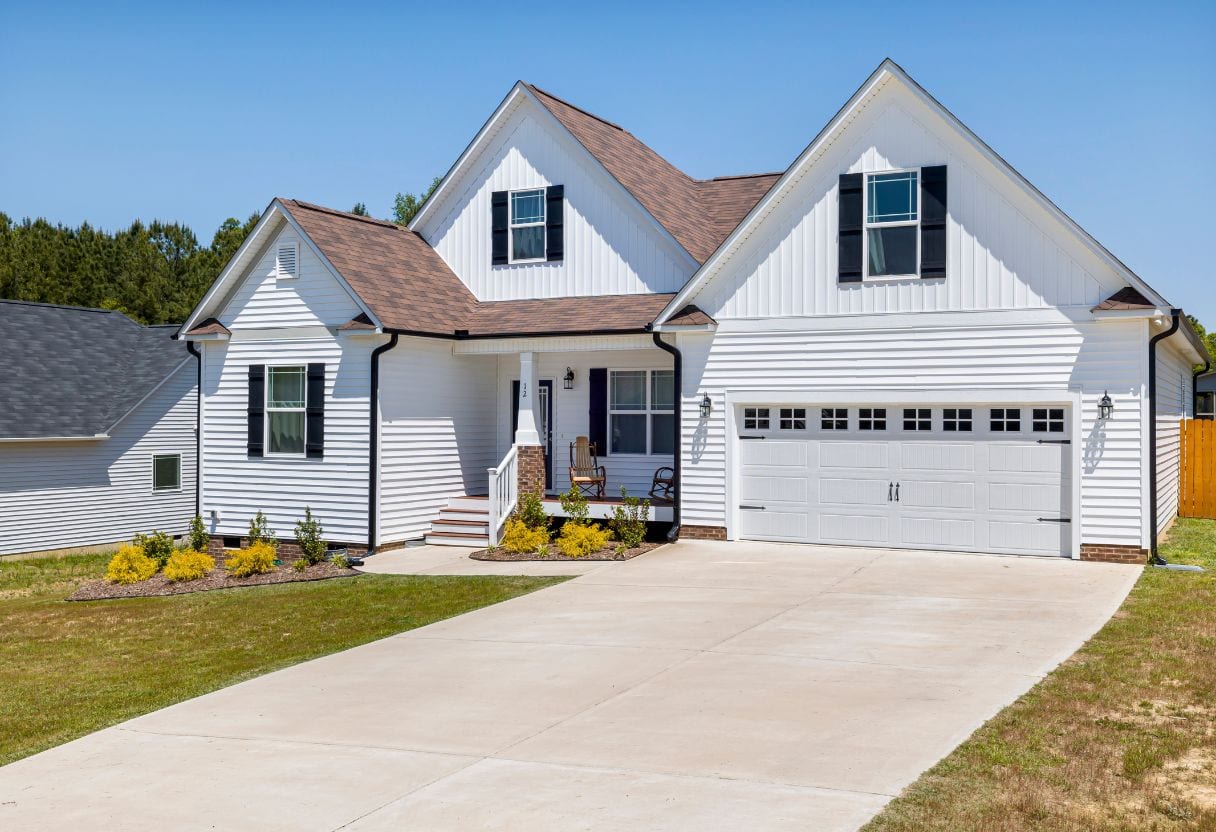
Just by choosing the right siding material, you can significantly enhance the durability and appearance of your roofing in Omaha, NE. Your siding plays a vital role in protecting your home from harsh weather conditions, while also complementing the overall aesthetic, thus boosting your home’s value. Proper siding choices can provide imperative insulation, reduce energy costs, and even prevent moisture buildup that can damage your roof over time. By understanding how siding interacts with roofing, you can make informed decisions to improve your home’s resilience and charm.
Key Takeaways:
- Selecting the right siding material can complement your roofing aesthetic, creating a cohesive look that enhances your home’s overall curb appeal.
- High-quality siding can improve insulation and ventilation, which may indirectly protect your roof from extreme weather conditions and extend its lifespan.
- Proper siding can help manage moisture, reducing the risk of rot and mold that can compromise both siding and roofing structures over time.
The Symbiotic Relationship Between Siding and Roofing
Integrating siding and roofing materials creates a harmonious aesthetic and functional symbiosis that strengthens your home’s overall performance. Choosing materials that complement each other not only enhances your home’s curb appeal but also ensures structural integrity and longevity. This connection influences how each component protects against external elements, ultimately affecting your overall maintenance costs and energy efficiency.
How Siding Complements Roofing Materials
When your siding and roofing materials work in tandem, they create a cohesive aesthetic that elevates your home’s architectural style. Consider pairing shingle roofing with vinyl siding or wood siding for a classic look, or opt for metal roofing combined with fiber cement siding for a modern, industrial feel. Selecting styles and colors that complement each other showcases your personal taste while driving up property value.
Protective Functions: Water and Wind Resistance
Properly chosen siding can enhance the protective capabilities of your roofing by offering superior water and wind resistance. Materials made from high-quality composites or treated wood can shield your home from water intrusion, while siding that fits snugly against roofing components prevents wind uplift, effectively reducing the risk of damage.
With Omaha’s fluctuating weather patterns, ensuring that your siding contributes to your roof’s defense is vital. High-performance materials such as fiber cement or engineered wood can be especially effective in repelling moisture and withstanding strong winds. Homes in areas prone to severe storms benefit from siding systems designed to redirect rainwater effectively, channeling it away from vulnerable areas. This not only safeguards your roofing but also minimizes the risk of mold and rot, extending the lifespan of both your siding and roofing systems.
Choosing the Right Siding for the Omaha Climate
Understanding Omaha’s Weather Patterns
Omaha experiences a range of weather conditions, from cold, snowy winters to hot, humid summers. With average winter temperatures dropping to around 20°F, and summer highs reaching the mid-80s, your home’s siding must withstand harsh temperature fluctuations. Additionally, the annual rainfall of approximately 30 inches can lead to moisture-related issues, making it crucial for your siding choice to resist water damage and excessive wear. Understanding these weather patterns sets the stage for selecting the right materials for longevity.
Material Recommendations Based on Durability
Considering durability in your siding materials is crucial for withstanding Omaha’s climate changes. Options like fiber cement siding boast a lifespan of around 50 years, resisting rot, warping, and pest infestations, while vinyl siding offers low maintenance with a lifespan exceeding 30 years. Both materials rank high for weather resistance, but fiber cement provides superior durability against extreme conditions. Additionally, metal siding can offer excellent protection with proper installation, reflecting heat in summer and providing durability during winter storms.
Fiber cement siding stands out due to its remarkable durability. Composed of cement and cellulose fibers, it can resist high winds, rain, and hail, making it ideal for keeping your home safe from Omaha’s unpredictable storms. Plus, with a non-combustible quality, it adds an extra layer of fire protection, which is advantageous in summer months. While it may have a higher upfront cost, its ability to withstand the test of time saves you money on repairs and replacements in the long run. Overall, choosing durable materials like fiber cement not only enhances your home’s charming aesthetics but also ensures it remains resilient against Nebraska’s diverse climate conditions.
Aesthetic Appeal: Creating a Cohesive Home Exterior
Combining the right siding with your roofing choices significantly enhances your home’s overall aesthetic appeal. A well-planned exterior creates a welcoming atmosphere while adding value to your property. By carefully selecting complementary styles and materials, you can achieve a polished and harmonious look that reflects your personal taste. This attention to detail not only improves the visual appeal but also enhances curb appeal, making your home stand out in Omaha’s diverse neighborhoods.
Harmonizing Siding and Roofing Colors and Textures
Selecting siding that harmonizes with your roofing style involves themes of color and texture. For instance, if your roof features dark shingles, using lighter or contrasting siding can create an attractive balance. You can choose materials like vinyl, wood, or fiber cement that complement each other. This blend provides a cohesive look, effortlessly linking the upper and lower parts of your home while considering the local environment and neighborhood aesthetics.
Modern Trends in Siding Choices
Current trends in siding emphasize sustainability, durability, and aesthetics. Homeowners are increasingly opting for eco-friendly materials like reclaimed wood, engineered wood, or fiber cement, which not only look great but also minimize environmental impact. Textured and bold colored sidings are making waves, allowing you to add personality. Customization options also abound, from horizontal to vertical installations that can redefine your home’s profile.
For instance, many homeowners are now opting for bold vertical siding combined with clean horizontal lines for roofing, creating a striking contrast. This modern aesthetic not only looks fresh but also plays with visual height, giving your home a distinctive edge. You can also adopt mixed materials, like pairing shingles with metal accents, to elevate the design both stylistically and functionally. These contemporary choices not only ensure your home stays in vogue but also enhance energy efficiency and weather resilience, important factors for Omaha’s varying climate.
Energy Efficiency: Siding’s Role in Home Insulation
Enhancing energy efficiency through proper siding choices can significantly improve your home’s insulation. Energy-efficient siding acts as a barrier against external temperature fluctuations, keeping your home warmer in the winter and cooler in the summer. By selecting the right materials and installation techniques, you can minimize thermal transfer, leading to more comfortable living conditions and reduced reliance on heating and cooling systems.
How Siding Materials Impact Thermal Regulation
Different siding materials possess varying levels of insulation properties. For instance, vinyl siding offers a decent thermal resistance, while fiber cement tends to provide better insulation due to its density. If you choose insulated vinyl siding, you can gain even more energy efficiency by reducing air leakage and maintaining steady indoor temperatures. Understanding how these materials interact with the surrounding environment plays a vital role in regulating your home’s thermal performance.
Long-Term Savings: Lowering Energy Bills
Investing in the right siding material can lead to substantial long-term savings on your energy bills. With effective insulation from your siding, your HVAC system won’t have to work as hard or run as frequently. Studies show that homeowners can save between 20-30% on their annual energy costs with energy-efficient siding solutions, making it a wise investment in the long run.
In Omaha’s fluctuating climate, the cumulative savings can add up significantly over the years. For example, if your monthly energy bill averages $200, a potential savings of 25% translates to $600 annually. Over a decade, that amounts to a remarkable $6,000, which can potentially cover the cost of your siding installation or provide funds for other home improvements. The upfront investment in quality siding not only enhances the aesthetic appeal and durability of your home but also represents a strategic move towards financial savings and energy efficiency.
Boosting Property Value Through Thoughtful Design
Enhancing your home’s exterior with thoughtful siding choices boosts property value significantly. By selecting materials and colors that complement your roofing style, you create a cohesive look that appeals to prospective buyers. This synergy not only elevates your home’s aesthetic appeal but also reflects your attention to detail, making it a more desirable investment.
The ROI of Upgrading Siding with Roofing in Mind
Investing in siding upgrades can yield a remarkable return on investment (ROI). Studies show that homeowners can expect to recoup about 75% to 85% of the costs associated with high-quality siding replacements, particularly when paired with a new roof. By focusing on both elements simultaneously, you maximize the financial benefits and ensure your exterior looks polished and inviting.
Attracting Buyers: Curb Appeal and First Impressions
Curb appeal plays a pivotal role in attracting potential buyers and creating lasting first impressions. When your siding complements your roof, it creates a visual harmony that draws attention. A well-designed exterior signals to buyers that the property has been cared for, increasing their interest and willingness to invest.
Consider that a property’s exterior is often the first thing buyers see. A modern siding choice in a style that matches your roof not only enhances curb appeal but also aligns with current design trends. For example, pairing light-colored vinyl siding with darker roofing can create a striking contrast that captivates. Inviting porches or nicely trimmed windows create further allure, beckoning buyers to explore the interior. You elevate the entire home’s appeal by paying attention to these details, making it stand out in a competitive market where first impressions are everything.
Summing up
As a reminder, making informed siding choices can significantly enhance your roofing in Omaha, NE, by offering improved insulation, protection, and aesthetic appeal. The right siding material complements your roof’s durability while adding to the overall energy efficiency of your home. By selecting high-quality, climate-appropriate siding, you not only prolong the life of your roof but also boost your property’s value and curb appeal. Take the time to consider your options carefully to create a cohesive and effective exterior for your home.
FAQ
Q: How do siding materials affect overall roof performance in Omaha, NE?
A: The choice of siding materials can significantly impact the performance of your roofing system in Omaha. For instance, materials like vinyl, wood, or fiber cement can vary in insulation, durability, and resistance to local weather conditions. High-quality siding can help maintain better temperature regulation within the home, reducing stress on the roofing system. Also, it can mitigate moisture issues that may lead to roofing deterioration, while well-ventilated siding can enhance airflow, contributing to the longevity of both the siding and roofing materials.
Q: Can the color and style of siding influence the roofing’s lifespan?
A: Yes, the color and style of siding can affect the roof’s lifespan in several ways. Lighter shades of siding reflect sunlight, reducing heat absorption, which can prevent overheating of the roof materials. This lessens the risk of premature wear and tear caused by elevated temperatures, particularly during Omaha’s hot summers. Additionally, the style of siding influences water runoff; properly installed and designed siding can guide water away from vulnerable roof areas, thereby enhancing the overall durability of the roofing system.
Q: What factors should homeowners consider when choosing siding to complement their roofing?
A: Homeowners should evaluate several factors when selecting siding to enhance their roofing. These factors include the climate in Omaha, the architectural style of the home, and the compatibility of siding materials with the existing roofing system. Choosing siding that harmonizes with the roof’s material and color can create a cohesive appearance while also improving energy efficiency. Additionally, the installation quality and maintenance requirements of both siding and roofing need to be considered to ensure long-lasting performance and protection against local weather challenges.